and why it matters

Far fewer of us actually know how, or how often. October is a good moment to change that, out of care rather than worry. Knowing what is normal for you is one of the simplest, most powerful things you can do for your own health.
Breast cancer is the most common cancer among women in the UAE, and here it often appears at a younger age than many people expect. That is not a reason to be anxious. It is a reason to be familiar with your own body, so that if something changes, you notice it early, when you have the most choices.
A self-check takes a couple of minutes. This is how to do it.
Once a month is enough. The best time is a few days after your period ends, when your breasts are least tender. If you no longer have periods, simply choose the same day each month so it becomes a habit. Consistency is what makes a change easy to spot.
Stand in front of a mirror with your arms relaxed at your sides. Then raise them above your head. You are looking, on both sides, for anything new: a change in size or shape, dimpling or puckering of the skin, redness, or any change to the nipple, such as it turning inward or any discharge.
You can do this lying down, or in the shower with a little soap so your fingers move easily. Using the flat pads of your three middle fingers, move in small circles across the whole breast. Cover everything, from your collarbone down to below the breast, and from your armpit across to your breastbone. Include the armpit itself, where breast tissue extends. Go over each area with light, then medium, then firmer pressure, so you feel both the surface and the tissue deeper down.
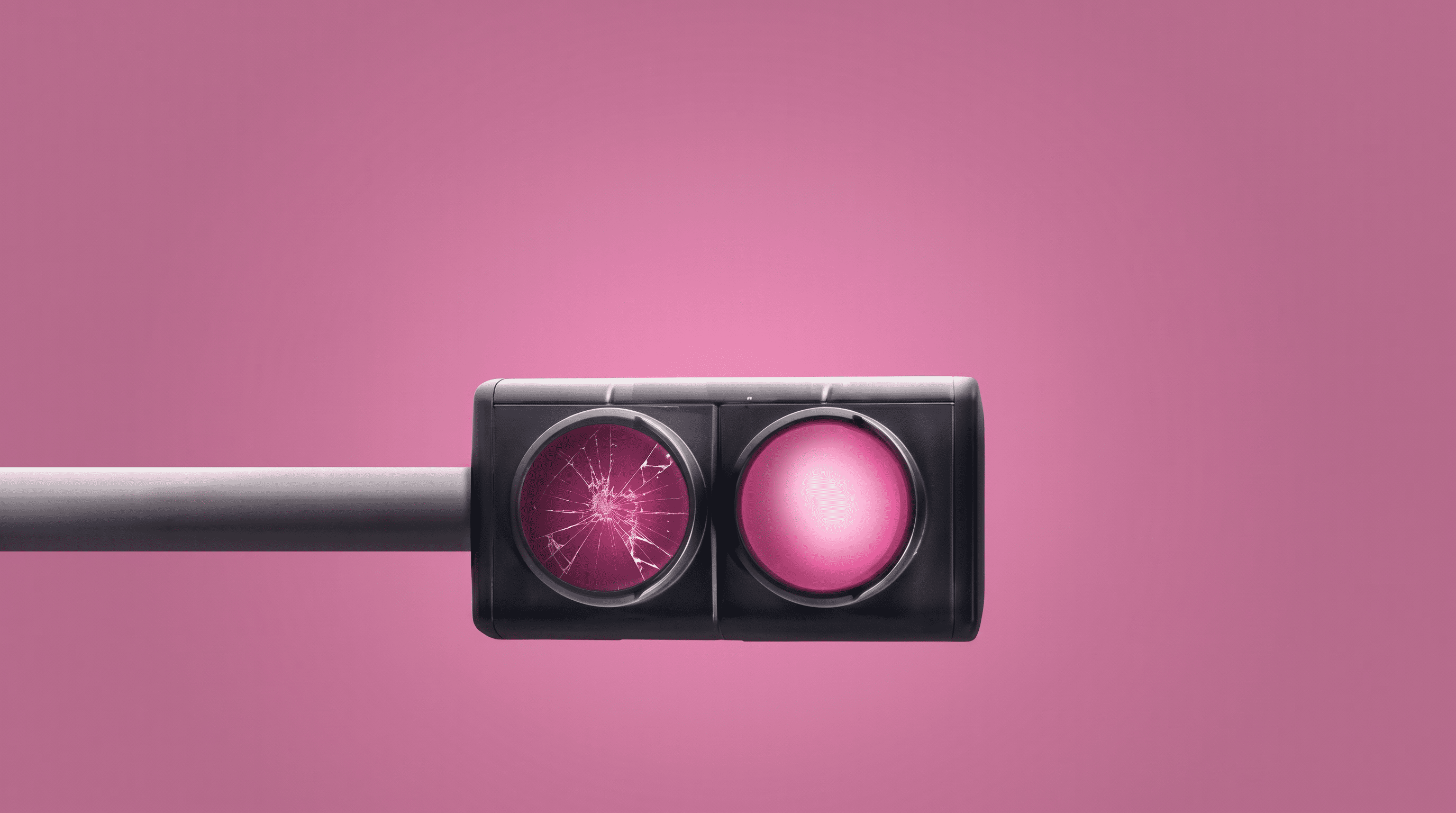
A new lump or a thickened area that feels different from the rest. It is completely normal for breasts to feel a little lumpy or textured, and for that to shift with your cycle, which is exactly why knowing your own baseline matters. You are not looking for something specific; you are simply learning what is usual for you.
Most changes turn out to be nothing serious. Still, it is worth having any of these looked at: a new lump or thickening that stays after your next period; changes to the skin such as dimpling or redness; nipple discharge or a nipple that has turned inward; or a persistent, one-sided pain or swelling. There is no harm in checking, and a great deal of reassurance in it.
A monthly self-check is where breast awareness begins, but it does not replace a clinical examination or a mammogram, and it is not a diagnosis. Think of it as staying in conversation with your own body, alongside the checks your doctor recommends for your age and history.
.png)
Early detection is key.